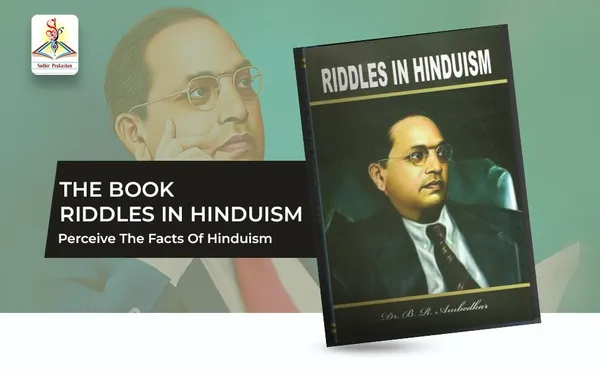
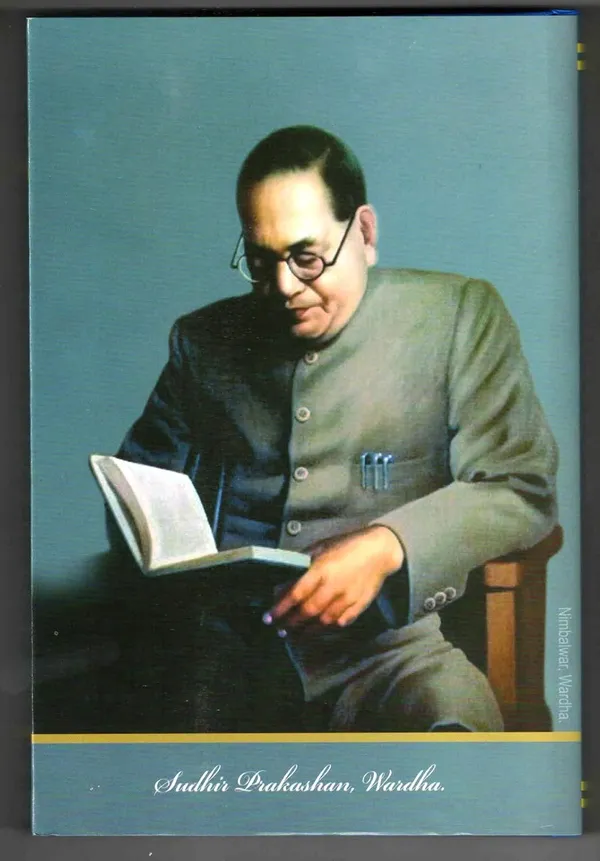

Dr Ambedkar'S Riddles In Hinduism by B. R. Ambedkar
₹450
₹950
52% OffFinal Price inclusive of all taxes
Cash on Delivery
Free Delivery
Get it delivered in 3-7 days
size
English
Product Information
Brand
SUDHIR PRAKASHAN
Product Type
Books
Ideal For
18+ Kids, Men Women etc.
Usage
Knowledge,Studies
Country
India
Author
B. R. Ambedkar
No. of Pages
464
Product Description
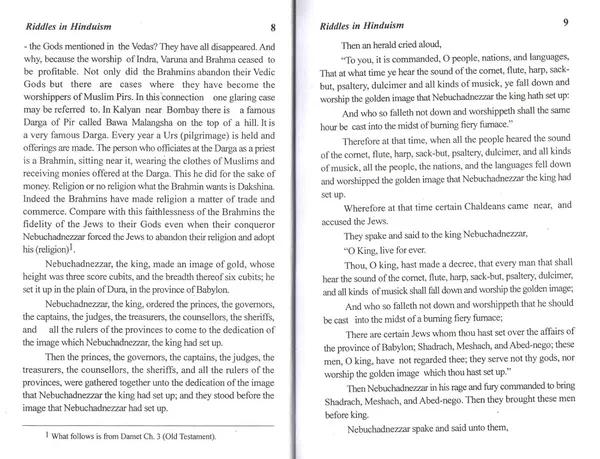
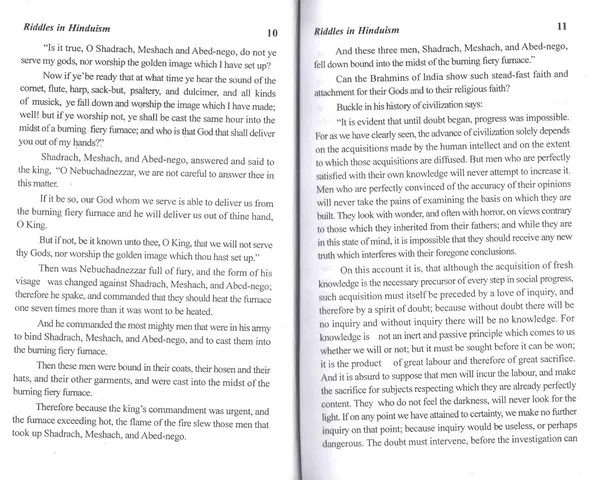
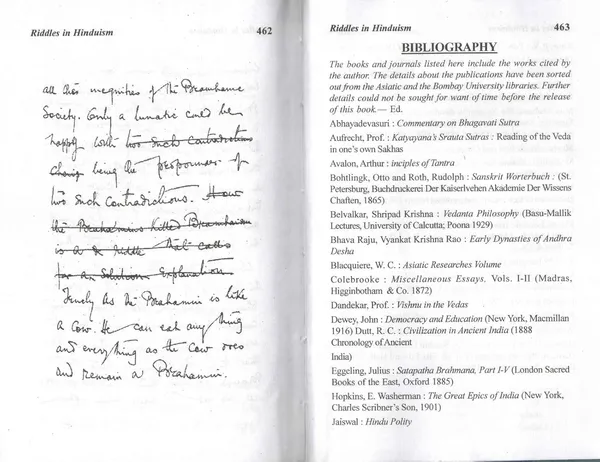
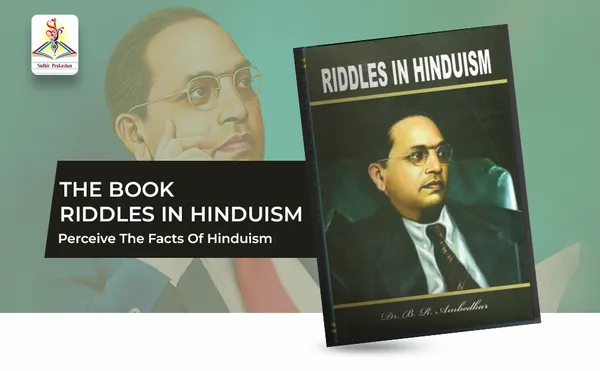
Riddles in Hinduism is one of the most intellectually provocative and scholarly works by Dr. B.R. Ambedkar. Written primarily between 1954 and 1955, the manuscript remained unpublished during his lifetime and was eventually released by the Government of Maharashtra in 1987 as part of his collected speeches and writings.
Here is the essential information about the book:
## Core Objective
The book is a critical interrogation of Hindu scriptures, mythology, and philosophy. Dr. Ambedkar uses the term "Riddles" to highlight what he perceived as deep-seated contradictions, inconsistencies, and social injustices within the Brahmanical tradition. His goal was to encourage a rationalist, scientific approach to understanding religion and to challenge the theological basis of the caste system.
## Structure of the Book
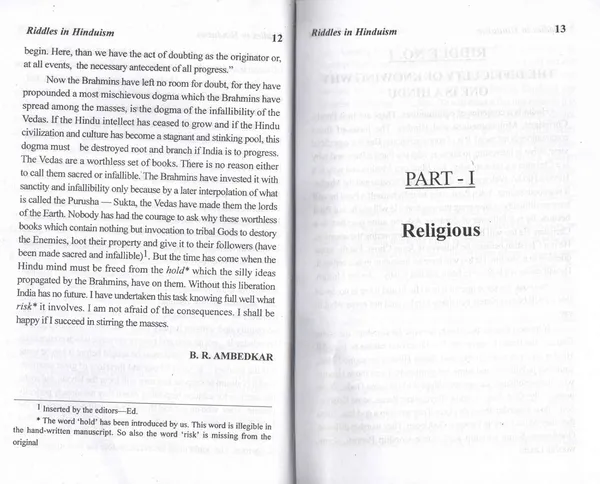
The work is organized into three main sections, containing a total of 24 "Riddles":
Part I: Religious Riddles – Focuses on the origins of the Vedas, the changing nature of Hindu gods, and the shift from Vedic rituals to Puranic worship.
Part II: Social Riddles – Critiques the Varna system, the treatment of women in Hindu law, and the transition from a "class-less" society to a rigid caste-based one.
Part III: Political Riddles – Examines the relationship between the state and religion, and how religious dogma influenced political structures in ancient India.
## Notable Themes
The Infallibility of the Vedas: Ambedkar questions why the Vedas are considered "divine" and "eternal" despite what he argues are historical contradictions.
The Transformation of Deities: He explores how deities like Brahma, Vishnu, and Shiva evolved over time, often through conflicting myths.
The Position of Women: He highlights the legal and social degradation of women in texts like the Manusmriti.
Ahimsa vs. Violence: A significant portion discusses the conflict between Buddhist non-violence and the sacrificial rituals of early Brahmanism.
## Historical Controversy
The book's publication in 1987 sparked massive political unrest in India, particularly in Maharashtra. The most controversial section was "Riddle No. 24: The Riddle of Rama and Krishna," where Ambedkar provided a critical analysis of these figures from a human and moral perspective. This led to large-scale protests and counter-protests before a compromise was reached to keep the text in the public domain with a disclaimer.
Here is the essential information about the book:
## Core Objective
The book is a critical interrogation of Hindu scriptures, mythology, and philosophy. Dr. Ambedkar uses the term "Riddles" to highlight what he perceived as deep-seated contradictions, inconsistencies, and social injustices within the Brahmanical tradition. His goal was to encourage a rationalist, scientific approach to understanding religion and to challenge the theological basis of the caste system.
## Structure of the Book
The work is organized into three main sections, containing a total of 24 "Riddles":
Part I: Religious Riddles – Focuses on the origins of the Vedas, the changing nature of Hindu gods, and the shift from Vedic rituals to Puranic worship.
Part II: Social Riddles – Critiques the Varna system, the treatment of women in Hindu law, and the transition from a "class-less" society to a rigid caste-based one.
Part III: Political Riddles – Examines the relationship between the state and religion, and how religious dogma influenced political structures in ancient India.
## Notable Themes
The Infallibility of the Vedas: Ambedkar questions why the Vedas are considered "divine" and "eternal" despite what he argues are historical contradictions.
The Transformation of Deities: He explores how deities like Brahma, Vishnu, and Shiva evolved over time, often through conflicting myths.
The Position of Women: He highlights the legal and social degradation of women in texts like the Manusmriti.
Ahimsa vs. Violence: A significant portion discusses the conflict between Buddhist non-violence and the sacrificial rituals of early Brahmanism.
## Historical Controversy
The book's publication in 1987 sparked massive political unrest in India, particularly in Maharashtra. The most controversial section was "Riddle No. 24: The Riddle of Rama and Krishna," where Ambedkar provided a critical analysis of these figures from a human and moral perspective. This led to large-scale protests and counter-protests before a compromise was reached to keep the text in the public domain with a disclaimer.